
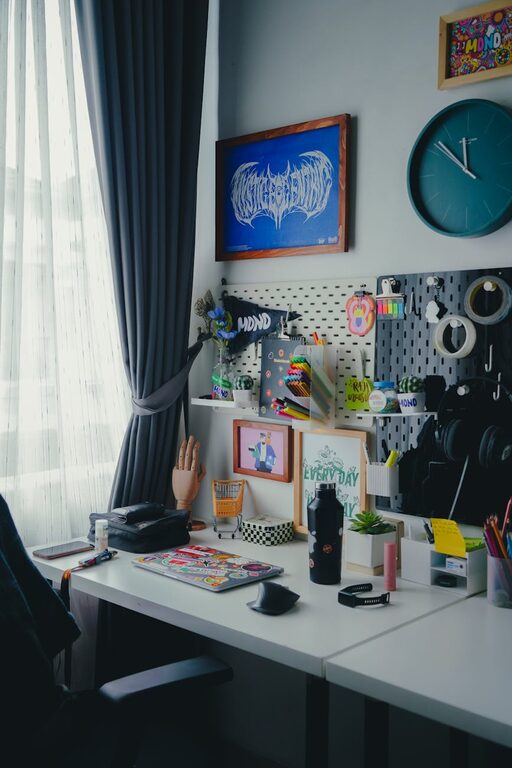
Creating a desk setup that promotes both focus and comfort can transform your workday. Whether you work from home, study, or need a dedicated space for personal projects, an organized and ergonomic workspace helps reduce distractions and physical strain. In this post, we’ll explore practical tips to design a desk area that supports your concentration and well-being.
Why a Thoughtful Desk Setup Matters
Your workspace environment plays a big role in your productivity and health. A cluttered or uncomfortable desk can lead to headaches, fatigue, and difficulty concentrating. On the other hand, a well-planned desk setup helps you stay organized, reduces distractions, and supports a healthy posture, all of which contribute to more focused work sessions and increased comfort.
Choosing the Right Desk and Chair
Desk Size and Height
Start by selecting a desk that fits your available space and work needs. Consider the size of your essential tools—computer, notebooks, or any special equipment—and ensure there’s enough surface area to accommodate them without feeling cramped.
The height of your desk should allow your arms to rest comfortably at about a 90-degree angle when typing or writing. Standard desk heights typically range from 28 to 30 inches, but adjustable desks are ideal for personalized comfort.
Ergonomic Chair
Comfort begins with your chair. Invest in an ergonomic chair that supports your lower back and encourages good posture. Look for these features:
– Adjustable seat height and depth
– Lumbar support
– Swivel base for easy movement
– Breathable material
Adjust your chair so your feet rest flat on the floor and your knees form a 90-degree angle.
Organizing Your Workspace for Focus
Declutter Regularly
A cluttered desk can distract your mind. Keep only the items you frequently use on the surface and store the rest in drawers or shelves. Use organizers or trays to group similar items like pens, papers, and gadgets.
Minimize Visual Distractions
Position your desk away from high-traffic areas or noisy environments if possible. If relocating isn’t an option, consider noise-canceling headphones or soft background music to help maintain focus.
Use cable management tools like clips or sleeves to keep cords tidy and out of sight.
Effective Lighting
Natural light is ideal for reducing eye strain and improving mood. Place your desk near a window if you can. When natural light isn’t sufficient, add a desk lamp with adjustable brightness and color temperature settings to reduce glare and shadows on your workspace.
Ergonomics for Comfort and Health
Monitor Placement
Position your computer monitor so the top of the screen is at or slightly below eye level. Keep the screen about an arm’s length away. This helps reduce neck strain and encourages a natural sitting posture.
For dual monitors, align the two screens closely and angle them inward for smooth movement of your neck and eyes.
Keyboard and Mouse Position
Place your keyboard and mouse close enough to avoid overreaching. Your wrists should be straight and supported—consider using a wrist rest to maintain a neutral position.
Take Breaks and Move Often
Even with perfect ergonomics, sitting too long can cause discomfort. Take short breaks every hour to stand, stretch, or walk. Movement refreshes circulation and helps maintain energy and focus.
Personalizing Your Desk Space
Add Plants
Small indoor plants can improve air quality and add a touch of nature, which has been shown to reduce stress. Choose easy-care plants like succulents or pothos for low-maintenance greenery.
Use Color Mindfully
Colors influence mood and concentration. Soft, neutral tones create a calm environment, while pops of brighter colors can add energy. Choose decor and accessories that make you feel positive without overwhelming your senses.
Incorporate Inspiration
Keep a few motivational quotes, photos, or artwork in your workspace to stay inspired. Rotate these from time to time to keep your environment fresh.
Final Thoughts
Designing a desk setup that balances focus and comfort takes some consideration but offers huge benefits in productivity and well-being. By choosing ergonomic furniture, organizing thoughtfully, optimizing lighting, and personalizing your space, you create an environment that supports your best work and keeps you comfortable throughout the day.
Try implementing some of these tips gradually to find what works best for you. A well-arranged desk isn’t just about aesthetics—it’s about creating a healthy and efficient workspace where you can thrive.