
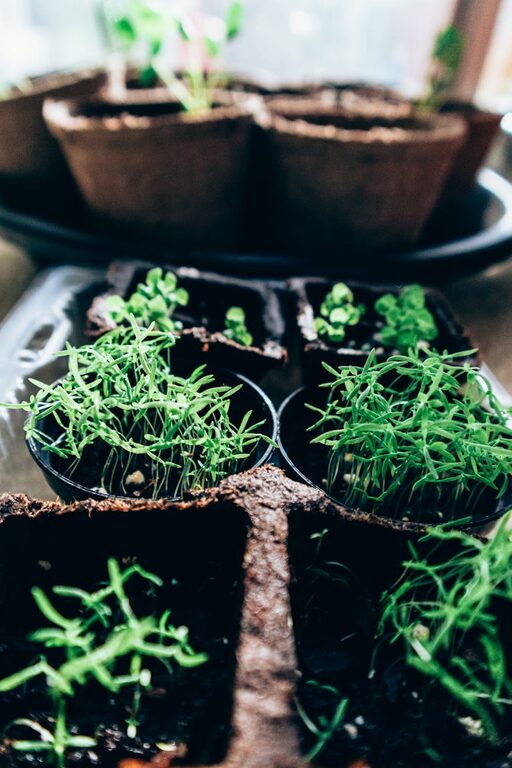
Growing your own herb garden indoors is a rewarding and practical hobby. Fresh herbs not only enhance your cooking but also bring a touch of greenery to your living space. Whether you have a sunny windowsill or limited space, starting a small indoor herb garden is easier than you might think. This guide will walk you through the basics to help you get started.
Why Grow Herbs Indoors?
Indoor herb gardens offer many benefits:
– Fresh ingredients available anytime
– Saves money on buying herbs at the store
– Adds natural decoration and pleasant aromas
– Helps improve indoor air quality
– Fun and educational for gardeners of all ages
Choosing the Right Herbs for Indoor Growth
Not all herbs thrive indoors, so it’s best to start with easy-to-grow, beginner-friendly varieties:
– Basil: Loves warmth and sunlight; great for cooking.
– Mint: Grows quickly and can tolerate partial shade.
– Parsley: Prefers moderate sunlight and consistent watering.
– Chives: Hardy and easy to maintain with mild sunlight.
– Thyme: Requires bright light but minimal water.
– Cilantro: Enjoys cooler temperatures and plenty of light.
Selecting a few of these will give you fresh flavors and diverse options for your kitchen.
Picking Containers and Soil
Containers
Choose pots with drainage holes to prevent waterlogging and root rot. Options include:
– Small terracotta pots
– Ceramic planters
– Recycled containers with drainage
You can also use seed-starting trays if space is tight.
Soil
Use a high-quality, well-draining potting mix formulated for herbs or vegetables. Avoid using garden soil, which can be too dense and may bring pests.
Setting Up Your Indoor Herb Garden
Lighting
Herbs need at least 6 hours of natural sunlight daily. Place your garden near a south-facing or west-facing window where sunlight is strong. If natural light is insufficient, consider a compact LED grow light designed for plants.
Temperature and Humidity
Most herbs prefer temperatures between 65°F and 75°F (18°C – 24°C). Avoid placing plants near air vents or drafty windows. To maintain humidity, especially in dry homes, mist your herbs lightly or place a tray with water near the plants.
Watering
Water herbs when the top inch of soil feels dry. Overwatering can cause root rot, so it’s better to check moisture regularly and adjust accordingly. Use room-temperature water for the best results.
Planting Your Herbs
From Seeds
Starting from seeds is economical but requires patience:
- Fill pots with moist potting mix.
- Sow seeds according to package depth instructions.
- Cover lightly with soil and mist to moisten.
- Keep pots in a warm spot with indirect light until germination.
- Once seedlings appear, provide bright light and water carefully.
From Starter Plants
If you want faster results, buy young herb plants from a nursery:
- Gently remove plants from their plastic containers.
- Transplant into your chosen pots with fresh soil.
- Water thoroughly and place in a sunny spot.
- Trim as needed to encourage bushiness.
Caring for Your Indoor Herb Garden
– Pruning: Regularly pinch or cut herbs to encourage new growth. Avoid removing more than one-third of the plant at a time.
– Fertilizing: Use a diluted, balanced liquid fertilizer once a month during the growing season.
– Pests: Watch for common indoor pests such as aphids or spider mites. Wipe leaves with mild soapy water to keep insects under control.
– Repotting: When plants outgrow their containers, transplant them into larger pots to allow roots to spread.
Harvesting Your Herbs
Harvesting encourages plants to produce fresh leaves. Pick herbs in the morning when oils are most concentrated by:
– Snipping stems just above a leaf node.
– Avoiding cutting more than a third of the plant at once.
– Using scissors or garden shears for a clean cut.
Harvesting frequently keeps your indoor garden healthy and productive.
Troubleshooting Common Issues
– Leggy growth: Move plants closer to light or add artificial light.
– Yellow leaves: May indicate overwatering or lack of nutrients.
– Wilting: Check soil moisture and adjust watering habits.
– Slow growth: Consider repotting, feeding, or ensuring enough light.
Final Tips for Success
– Start small; a few pots are easier to manage and less overwhelming.
– Label your pots to remember what you’ve planted.
– Rotate pots weekly to ensure even sunlight exposure.
– Enjoy the process, experiment with different herbs, and have fun!
Creating an indoor herb garden enhances your home and your meals. With a bit of care and attention, you’ll have a fresh supply of herbs ready whenever you need them.
Happy gardening!